Master Your Pellet Grill With These Pro Tips
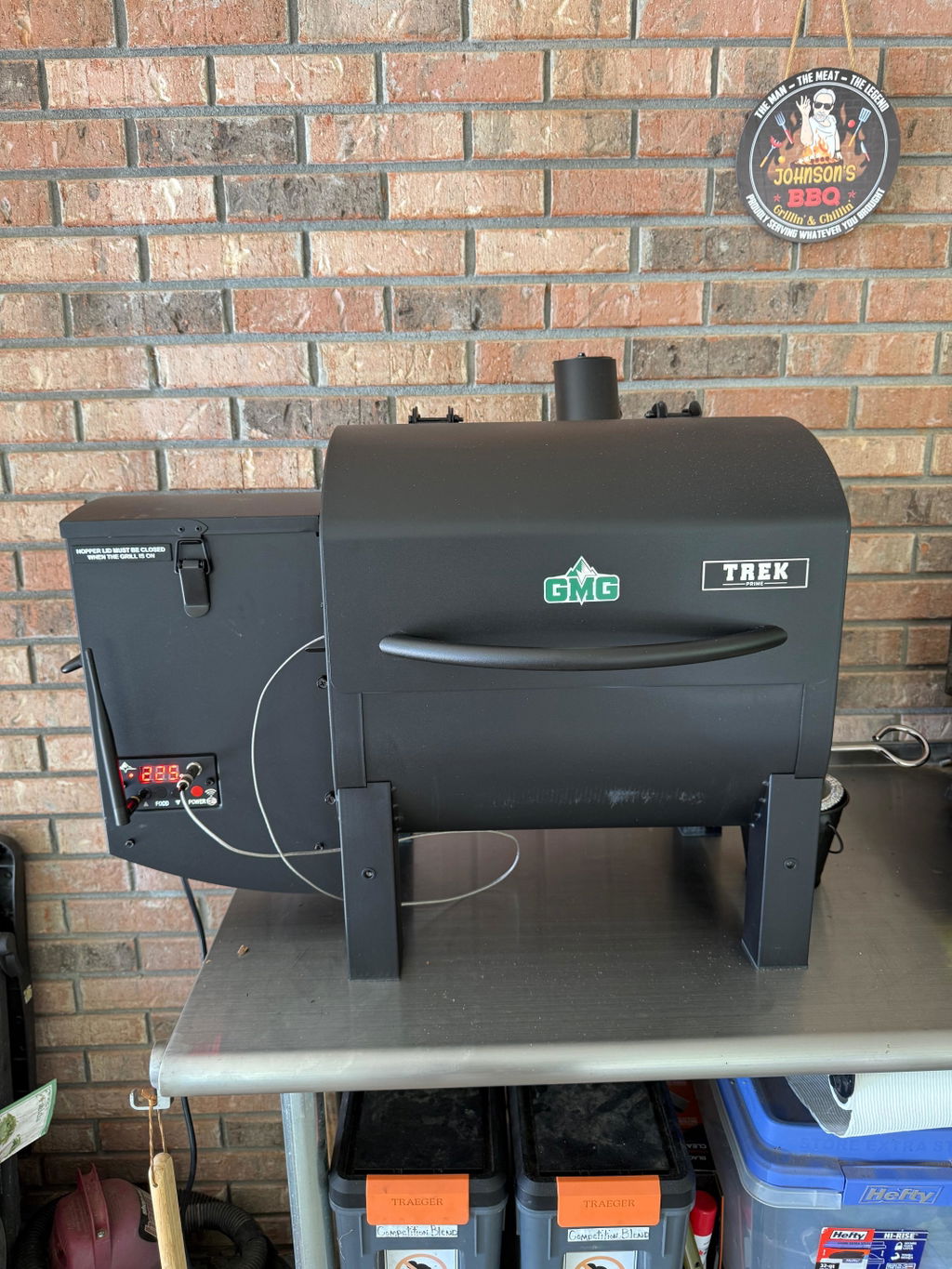
Pellet grills have found a home in many backyards because of their versatility, ease of use, and the unparalleled smoky flavors they bring to your cooking. Whether you’re a novice or a self-proclaimed backyard barbecue expert, there’s always room to elevate your grilling game. Mastering a pellet grill is more than simply turning it on, however. It’s about understanding its nuances, unlocking its full potential, and producing mouthwatering results every time. Master your pellet grill with these pro tips and make every backyard barbecue an event to remember.
Getting to Know Your Pellet Grill
Understanding the fundamentals of how your pellet grill works is critical. A pellet grill uses compressed wood pellets as fuel, which are burned in a firepot to generate heat and smoke. The internal temperature is managed with precision through an electric controller, making it easier to maintain consistent heat compared to other grill types. This combination of heat control and real wood smoke is what gives pellet grills an edge over gas or charcoal options.
Spend time familiarizing yourself with your specific grill model. Know where the crucial components like the auger, firepot, hopper, and grease management system are located. Additionally, become confident using the temperature controls since they are key to achieving accurate cooking temperatures and replicable results. Mastering your grill is first about being comfortable with the equipment itself.
Choosing the Right Pellets
The type of wood pellets you use has a significant impact on the flavor profile of your food, as pellets come in varieties like hickory, mesquite, apple, cherry, and oak, each offering unique aromas and tastes. Hickory pellets deliver a strong, savory flavor, making them perfect for beef and pork, while fruitwood pellets like apple and cherry are milder and complement poultry or fish.
It’s essential to use high-quality, food-grade pellets, so avoid heating or industrial pellets as they may contain harmful additives not intended for cooking. Consistent pellet size and shape ensure smoother feeding into the auger and steadier heat output during the cooking process. Once you’ve chosen your pellets, store them in a dry, sealed container to keep them fresh and reduce moisture absorption, which can affect combustion.
Maintaining the Heat Zone
One of the key advantages of a pellet grill is its ability to maintain a consistent temperature over long periods. However, external conditions like wind and cold weather can influence grilling performance. To counter this, consider investing in a thermal blanket or insulation cover designed for your grill model. These accessories help maintain the internal temperature without overusing pellets, especially during winter.
Preheating your pellet grill before cooking also ensures even heat distribution across the grates. Allow the grill to come to its desired temperature before placing food inside. This preheating step prevents uneven cooking and gives a nice sear to the exterior of meats.

Mastering the Smoke Levels
Achieving the perfect smoke levels on your pellet grill can transform the flavor of your dishes. Many grills have settings for adjusting smoke output, enabling you to control how much smoky intensity your food absorbs. For a more robust smokiness, cook low and slow at lower temperatures, as the grill produces more smoke at those levels. For minimal smoke flavor, higher temperatures work better.
Experimenting with different smoke levels and pellet combinations will help you identify your preferred taste profile. Be patient during this process, it can take multiple attempts and small adjustments to perfect your smoke level for various recipes.
Cleaning and Maintenance
To keep your pellet grill in top working condition, regular maintenance is a must. Start by emptying the ash from the firepot after every few cooking sessions, as excessive ash buildup can hinder performance. Grease trays should be scraped clean to prevent buildup, which can lead to flare-ups. Similarly, inspect your grill’s hopper and auger system for jammed pellets and debris.
Periodically deep-clean your grill by vacuuming out the internal components to remove ash and residue. Keeping your grill clean helps maintain consistent temperatures and extends its lifespan. Remember, a well-maintained grill not only performs better but also ensures safer, hassle-free cooking.
Grilling Techniques for Perfect Results
Pellet grills excel at both direct and indirect cooking methods. For searing steaks or achieving beautiful grill marks, crank up the heat to high and cook directly above the firepot region. For slower cooking, use the indirect heat zone to evenly roast larger cuts of meat, such as brisket or ribs. Combining these techniques within a single session can yield complex textures and flavors.
When smoking, always use a meat thermometer to monitor the internal temperature of your food. This prevents over- or undercooking and takes the guesswork out of grilling. Consistency is key to mastering your food’s doneness, and a thermometer is an indispensable tool for achieving it.
Experimenting with Recipes and Techniques
One of the best ways to master your pellet grill is through experimentation. Try your hand at a variety of recipes, from smoked salmon and tender pulled pork to fire-roasted vegetables and baked desserts. Pellet grills aren’t just for savory dishes; their precision makes them ideal for baking pies, cornbread, and even cookies with a subtle smoky twist.
As you experiment, play around with layering flavors. Marinades, rubs, and brines infused with complementary herbs and spices can elevate your dishes to new heights. Explore different smoking techniques like reverse searing or wrapping meat during the cook to lock in moisture and enhance tenderness.

Troubleshooting Common Issues
Even seasoned grill masters run into issues occasionally. Temperature fluctuations can occur if pellets become too moist or jammed in the auger, but regular cleaning and dry pellet storage minimize these problems. If your food isn’t achieving the desired level of smokiness, check that your grill settings are appropriate for the duration and temperature.
Understanding how to troubleshoot these common setbacks ensures that your grilling experience remains smooth and enjoyable. Over time, you’ll become adept at quickly resolving problems while producing consistently excellent meals.
Elevate Your Grilling Game
Mastering a pellet grill is a rewarding process that empowers you to create incredible meals with ease. From selecting the right pellets and cleaning your grill to adjusting smoke levels and cooking techniques, each factor plays a role in producing a barbecue feast. Approach your grill not just as a tool, but as an opportunity to perfect your craft and savor the art of outdoor cooking. Once you implement these pro tips, you’ll be well on your way to becoming the grill master your friends and family admire.